
As trekking and climbing enthusiasts gear up for their adventures, they face the challenge of keeping their bodies in peak condition. The demands of rugged terrains and high altitudes can take a toll on muscles, leading to soreness and fatigue. One of the most effective ways to address these physical issues is through deep tissue massage. The deep tissue massage doesn’t just relieve exhaustion and tiredness of the muscles but also strengthens them before an adventure. Now, some of you may question – why is deep tissue massage the go-to massage for trekkers and climbers?
In this blog, we discuss why deep tissue massage is an ideal choice for trekkers and climbers this season. But before we discuss the reasons to choose deep tissue massage, let’s first know what it is.
What is Deep Tissue Massage?
Deep tissue massage is a therapeutic technique designed to target the deeper layers of muscle and connective tissue. Unlike traditional massage, which typically focuses on relaxation and superficial muscle layers, deep tissue massage aims to address chronic muscle tension and pain.
Key Techniques Used in Deep Tissue Massage
After knowing the general gist of what a deep tissue massage is, let’s talk about some of the key techniques used in deep tissue massage. While the specific technique used depends on your circumstances, some of the key ones are:
Pressure Application
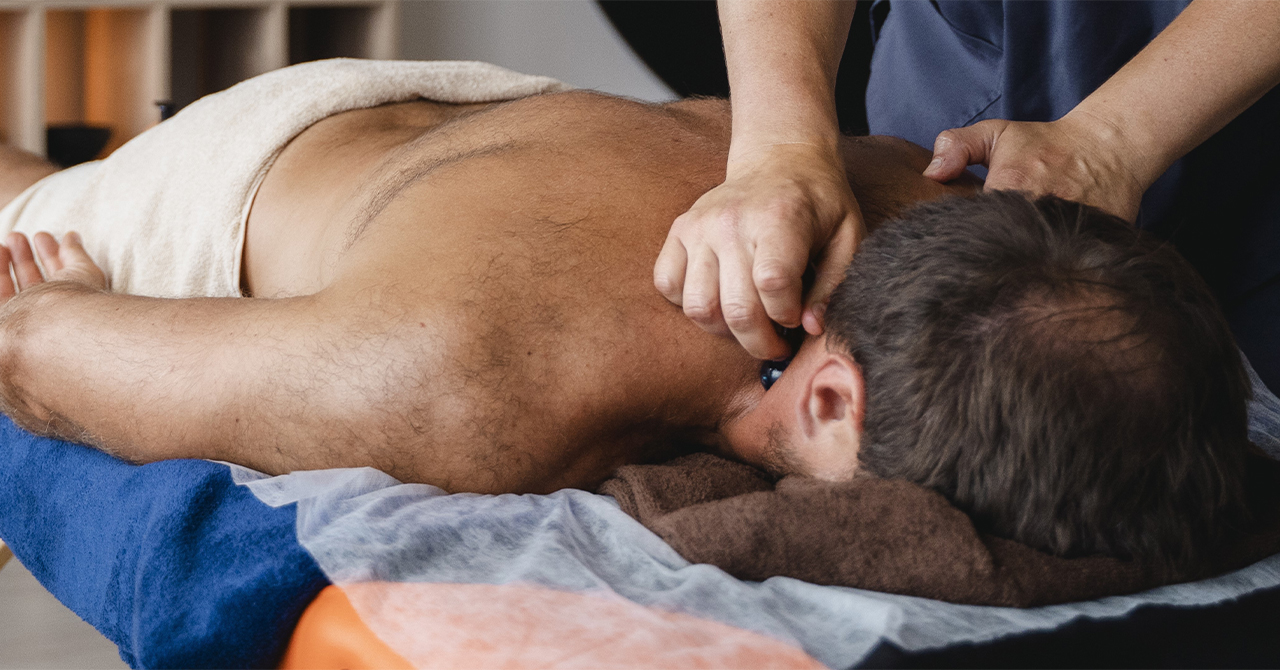
Deep tissue massage involves the use of firm, sustained pressure that penetrates the deeper layers of muscle tissue. Therapists typically apply this pressure using their fingers, knuckles, elbows, or forearms, ensuring that the strokes are slow and controlled. This technique allows them to work through the superficial layers of muscle and fascia to reach areas where chronic tension and adhesions (knots) may have formed. The intensity of the pressure is gradually increased as the muscles begin to relax and release, making it both an effective and therapeutic experience.
Targeted Work
Unlike general relaxation massages that treat the entire body, deep tissue massage focuses on specific areas of discomfort or injury. For example, suppose you have persistent pain in your lower back or tightness in your shoulders. In that case, the therapist will focus on these problem areas, applying tailored pressure to release deep muscle tension. This targeted approach is beneficial for addressing chronic pain, muscle stiffness, or injury-related issues, as it works to break down scar tissue and promote healing in localised areas of discomfort.
Benefits of Deep Tissue Massage
After knowing the key techniques used, let’s talk about the overall benefits of deep tissue massage. Knowing the benefits allows you to make an informed decision about using this form of massage therapy before heading to climbing or trekking. Some of the key benefits include:
Enhanced Blood Flow
One of the primary benefits of deep tissue massage is the significant improvement in circulation. By applying firm, strategic pressure, therapists help dilate blood vessels, which increases blood flow to deeper muscle tissues. This enhanced circulation delivers more oxygen and nutrients to the affected areas, promoting healing and cellular repair.
Reduced Muscle Tension
Deep tissue massage is highly effective in reducing muscle tension, particularly in areas prone to chronic stress or injury. Over time, muscles can develop adhesions or knots—tight bands of tissue that limit movement and cause discomfort. Through slow, sustained pressure and targeted manipulation, the therapist works to break down these adhesions, releasing trapped tension and restoring normal function.
Increased Range of Motion:
Another key benefit of deep tissue massage is that it increases the range of motion. It provides a noticeable improvement in flexibility and range of motion. Furthermore, it loosens tight muscles and breaks down scar tissue; it restores the natural elasticity of the muscles and connective tissues. This can lead to more fluid, pain-free movement in joints and muscles, making it easier for individuals to engage in physical activities or simply perform everyday tasks.
Why Trekkers and Climbers Need Deep Tissue Massage
Now that you know the basic gist regarding the benefits, let’s talk about why trekkers and climbers need deep tissue massage. Besides reaping the benefits, deep tissue massage offers a therapeutic solution to these challenges, providing both physical and mental relief. Some of the key reasons why trekkers and climbers need deep tissue massage include:
Muscle Strain
As muscles work continuously during these activities, they become tight and may form adhesions or knots, which can limit movement and cause discomfort. Deep tissue massage targets these overworked muscles, relieving tension and promoting better muscle function. By addressing muscle strain early, trekkers and climbers can prevent more severe issues from developing, such as chronic pain or injuries.
Increased Risk of Injury
Along with muscle strains, climbing and trekking constantly presents you with risks of injuries. These injuries include the likes of strains, sprains, and muscle tears. Deep tissue massage helps reduce this risk by loosening tight muscles, improving flexibility, and promoting better muscle coordination. By increasing blood flow and circulation to critical areas, deep tissue massage also ensures that muscles receive the necessary oxygen and nutrients to remain healthy and resilient. Regular massage therapy can help you maintain peak physical conditions.
Muscle Repair
Besides reducing the risk of injury, deep-tissue massage also aids in muscle repair. It enhances the blood flow to the deeper layers of muscle tissue which further promotes faster repair and regeneration of damaged muscle fibres. This, in turn, helps reduce inflammation and swelling, which are common after prolonged physical exertion. Regular deep-tissue massage sessions can ensure that the muscles recover more quickly and efficiently, allowing you to stay active without prolonged downtime due to tiredness or fatigue.
Stress Relief
Massage is not just about physical healing; it is also about mental relief as well. The mental demands of trekking and climbing can be just as taxing as the physical ones. During a massage session, the release of endorphins—the body’s natural “feel-good” hormones—helps to alleviate stress, improve mood, and create a sense of calm. This is particularly important for trekkers and climbers, as reduced stress levels can enhance mental clarity and focus, which are critical for safe and successful outdoor adventures.
Overall Well-Being
Deep tissue massage provides a holistic approach to well-being, addressing both the physical and mental demands of trekking and climbing. Regular massage therapy can help you feel more balanced, relaxed, and energised. The combination of physical recovery and mental relaxation ensures that you are better equipped to handle the challenges of your outdoor pursuits, ultimately improving performance and enjoyment.
Conclusion
Deep tissue massage is more than just a remedy for sore muscles—it’s an essential part of preparing for and recovering from the physical demands of trekking and climbing. By targeting deep layers of muscle tissue, improving circulation, relieving tension, and enhancing flexibility, deep tissue massage helps adventurers maintain peak performance and reduce the risk of injury. Additionally, the mental benefits, such as stress relief and improved focus, make it a well-rounded solution for trekkers and climbers looking to optimize their well-being both on and off the trail.
In this blog, we discussed what a deep tissue massage is, some commonly used techniques, its benefits, and why trekkers and climbers choose deep tissue massage. We hope you found this helpful. If you seek further insights into the various aspects of massage, do check out some of our other blogs. And if you seek the best deep tissue massage in Kathmandu, look no further than Inner Sight. Thank you for reading till the end.You can visit us by following the map to Innersight Nepal.